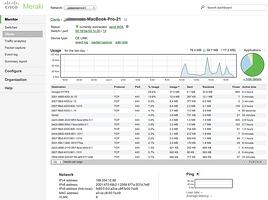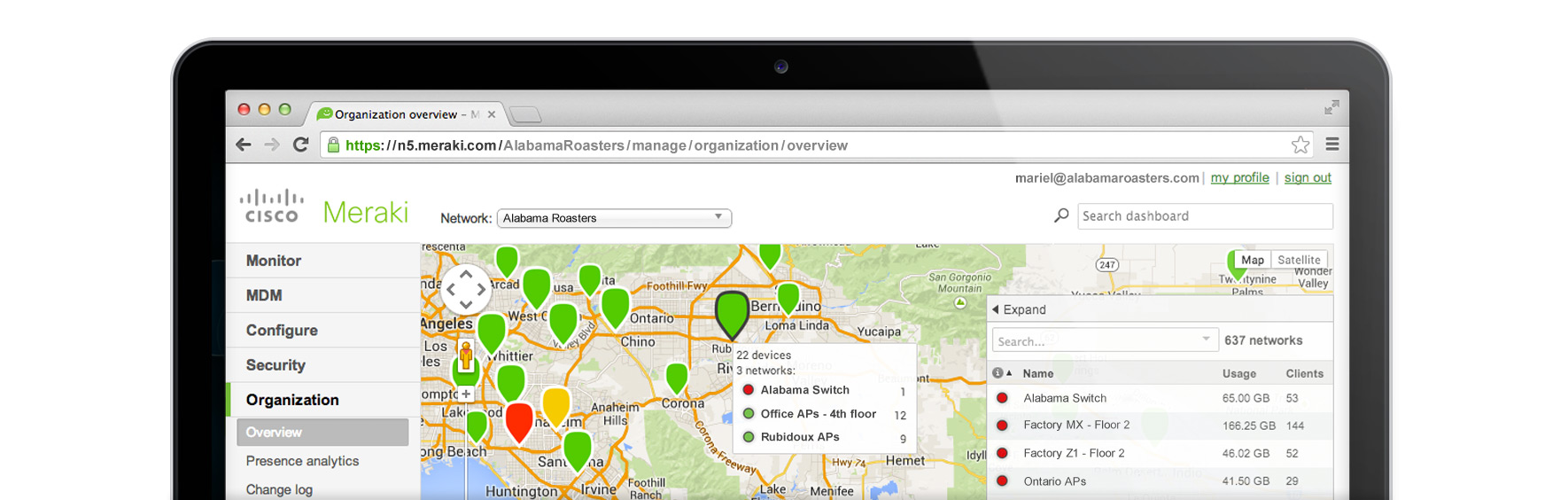
The Cisco Meraki dashboard is a powerful browser-based tool that provides strong visibility,...
For IT leaders everywhere, ensuring effective and consistent network management across all devices is a high priority—and a constant challenge. As network managers find themselves facing new technologies and constantly changing environments—due to cloud infrastructures, bring-your-own-device policies, and more—the need to institute unified managing and monitoring becomes clearer.Unfortunately, these new developments simultaneously make it more difficult for organizations to implement the network management platforms they need. It’s really no wonder that network management projects were named as the top IT initiative for 2015, according to a survey by TechTarget. The survey found that 44 percent of enterprises have planned network management projects for this year.
In this post, we’ll examine Meraki data network management from Cisco, and provide some valuable information on why it may be just the solution that today’s network managers have been looking for.
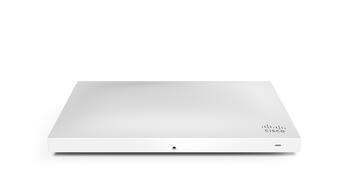
1. Greater visibility
The first thing that makes the Meraki dashboard such a promising network management solution is that it can provide a level of device visibility that many legacy systems simply can’t match. In today’s world, simply knowing basic statistics about network utilization is no longer good enough. In order to keep a network secure and functioning at high levels, you must be able to know exactly what devices are on the network, where they are accessing the network from, and what applications they are using while on the network. This is precisely the level of visibility that Cisco’s Meraki Systems Manager offering can provide.
2. Simple unified management from anywhere in the world
These days, it’s not just network users that are increasingly mobile. Network managers themselves are often on the move, and the Meraki dashboard makes it easy for them to manage their network, no matter where in the world they might be.
The Meraki dashboard can be accessed in any browser, or through the Meraki mobile app, meaning that network managers can take advantage of unified network management whether they are in the office at a traditional workstation, or out of the office on a tablet or smartphone. Any time an issue arises with the network that needs to be addressed, Meraki ensures that network managers don’t have to wait until they return to the office to take care of it.
3. Greater control and security
Since more and more enterprise users are now mixing personal use and business use on the same device, modern network management solutions need to be able to provide a level of control that accounts for this.
Meraki Systems Manager is designed to ensure the security of the network, and being able to separate personal applications from business applications within the same device is a big part of providing that security. With Systems Manager, network managers can whitelist secure apps and blacklist other apps within the same device. As a result, network managers can keep the enterprise safe, while also enabling users to make the most of their devices for business purposes.
To learn more about Meraki Systems Manager, you can sign up to try it for free.