Solving Wireless Network Range issues with New Cisco Meraki Access Point (Meraki AP) Being able to...
How Cisco Meraki Wireless Access Point uses Bluetooth to Improve Health Care
From the FitBit to heart monitors, pacemakers, insulin pumps, and other medical and fitness devices, Bluetooth has been an essential method for providing reliable information to and from health care professionals, dieters, and others seeking to improve their overall health. Cisco Meraki is helping reports from these devices, and others outside the healthcare field, become more accurate and require less power, particularly with two new wireless access points, the MR34 and MR72.
Bluetooth Low Energy (BLE) technology
With many businesses promoting greater individual health, they look for solutions that help provide their employees with the tools that will best keep them illness-free, healthy, and productive. Cisco Meraki has become a pioneer in including "Bluetooth Low Energy" (BLE) technology into its latest wireless access points, allowing fitness and healthcare devices to communicate more often and more reliably throughout the day.
Many new medical devices, used both for in-hospital and for outpatient care, use a unique Bluetooth connection to report statistics such as blood glucose, patient temperature, heart rate, blood pressure, even the effort put in to using exercise equipment. By supporting and encouraging the use of this new technology, Cisco Meraki is helping to bring better quality healthcare and device reporting, as well as providing new opportunities for developers to create custom-feedback hardware, tailored to a user's location or health.
Bluetooth Low Energy, sometimes called "Bluetooth Smart," is a networking standard that is designed to work with low-power devices, and it has been rapid inclusion in smartphones, tablets, and both fitness and medical devices, which need to be light and unobtrusive, but also extremely accurate in their readings. Currently many fitness and medical devices have to be plugged in or connected to a specific dock in order to upload data to health or fitness professionals, but Cisco Meraki has made the possibility of low-bandwith, real-time reporting a reality.
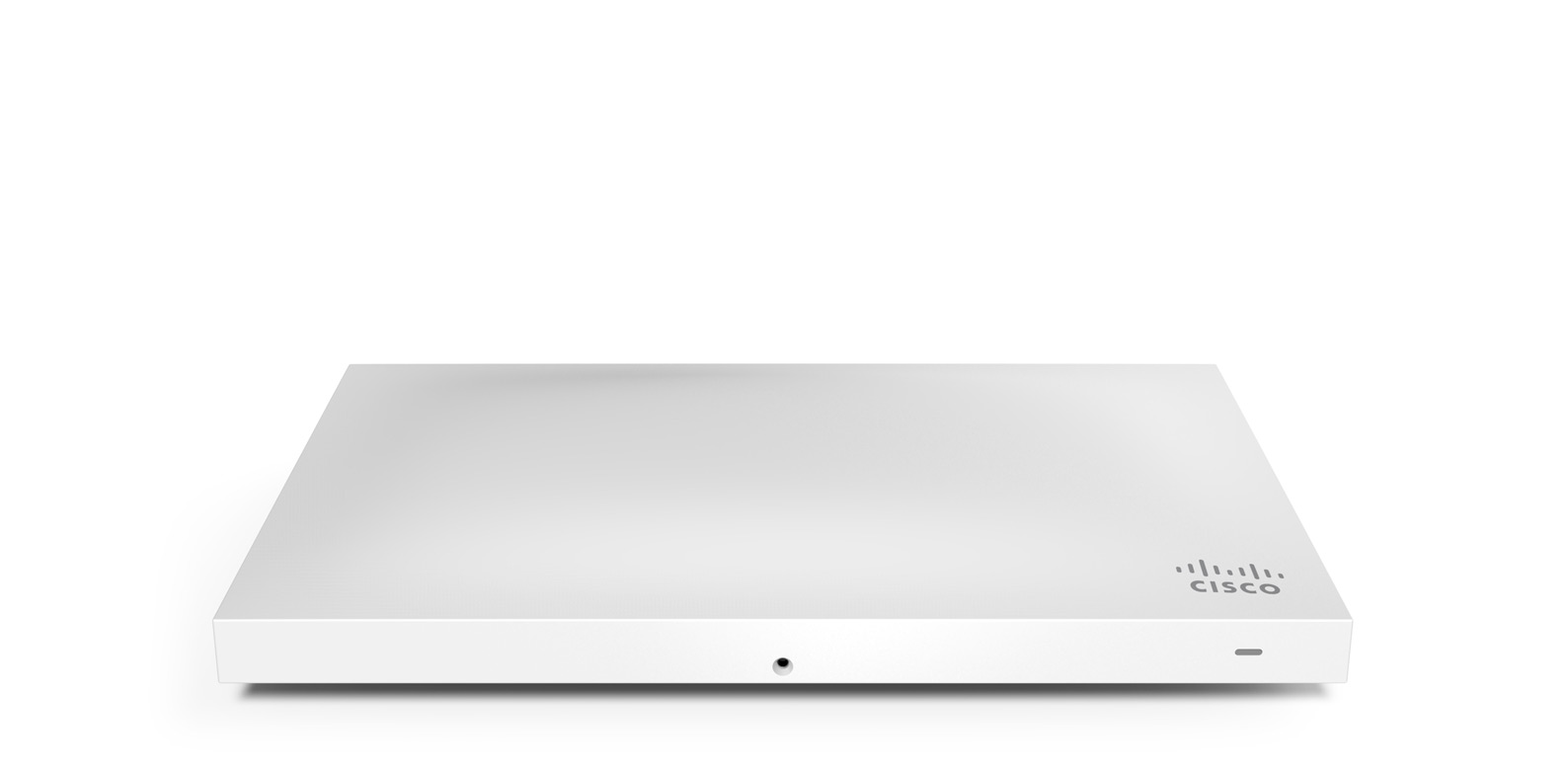
Both the internal MR34 and external MR72 wireless access points come with built-in BLE hardware, allowing these medical and fitness devices to report at regular intervals instead of in bulk at the end of the day. This can allow specifically-designed applications and products to better track the health and well-being of patients, of fitness enthusiasts, and those who rely on regular monitoring. Utilizing frequency hopping, similar to the technology that provides reliable 802.11 wireless signal even in high-interference areas, each device receives a strong connection even in environments with many signals.
In addition to the current advantages for healthcare and fitness that BLE provides, inclusion of this technology in the new Cisco Meraki flagship wireless access points provides groundbreaking opportunity for customers to develop unique applications for other BLE-enabled devices, including the ability for devices can become aware of their location, and either receive or send different information based on where they are located.
Whether for fitness, asset tracking, or customized client interfaces, BLE technology is already used in hundreds of applications and devices across many industries. By supporting this emerging technology, Cisco Meraki is helping to build a more responsive, real-time environment to assist doctors, trainers, and application developers to provide ever-increasing services to their clients.
Free Meraki Dashboard Demo and Access Point
Cisco Meraki is offering a complimentary trial of its wireless access points and Cloud-based control dashboard. Contact Team One Solutions for more information on how BLE and other new technologies can help your company and its employees live healthier and more conscious of their environment.